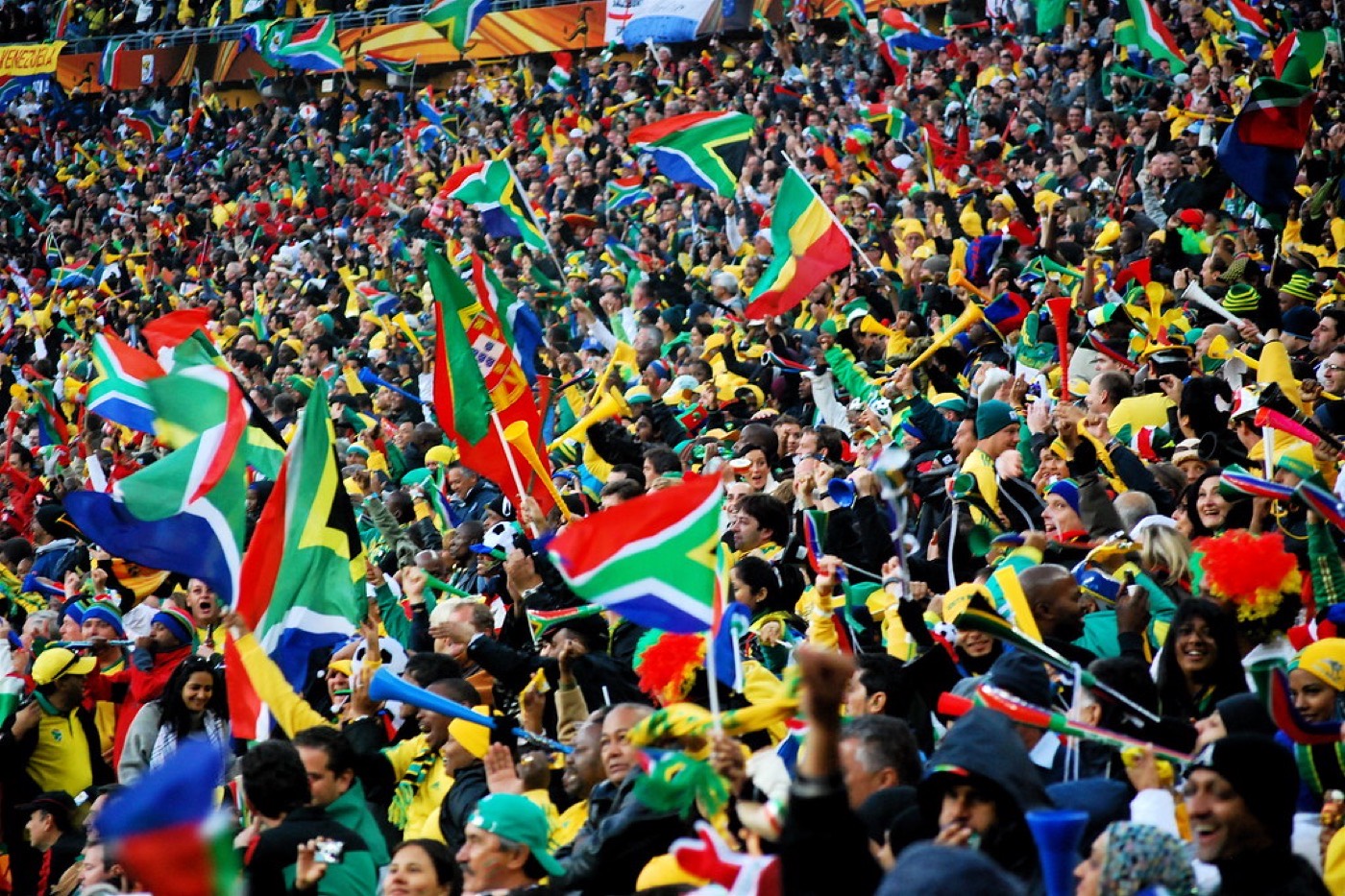
South Africa come to Monterrey for one night: their Group A meeting with South Korea at Estadio BBVA on Wednesday, June 24. For Bafana Bafana the occasion carries a weight few teams in this tournament can match — this is their first World Cup since 2010, the year they hosted it, ending a sixteen-year absence from the global stage. They arrive as African qualifying group winners under the experienced Belgian coach Hugo Broos, with a squad built largely at home and captained by the goalkeeper who has become the face of their revival. For anyone holding a ticket to that Monterrey fixture, here is everything worth knowing about the team you will be watching: who they are, how they got back here, how they play, and the 26 men Broos is bringing to Mexico.
South Africa's road back to the World Cup
South Africa's return is the story of a long road back. After hosting the 2010 World Cup — the first ever held on African soil — the team slipped into a generation of near-misses and failed campaigns, watching three straight tournaments pass them by. The 2026 cycle changed that. Drawn into CAF Group C alongside Nigeria, Benin and a clutch of smaller nations, Bafana Bafana topped the group and booked their place in Canada, Mexico and the United States, sealing qualification with a 3-0 win over Rwanda in Mbombela in October 2025.
The campaign was not without drama. South Africa were docked three points midway through qualifying after fielding the suspended midfielder Teboho Mokoena against Lesotho — an administrative error that handed Lesotho a retroactive 3-0 win and briefly threw the whole group open. That the team recovered, held off a strong Benin side managed by Gernot Rohr, and still finished first says a great deal about their composure. They cross into the tournament not as a fluke qualifier but as a side that earned its place the hard way.
The 2010 legacy — and what this team wants to add to it
Every South African footballer of this generation grew up on the memory of 2010: Siphiwe Tshabalala's thunderous opening goal against Mexico at Soccer City, a nation united behind a wall of vuvuzela noise, and the bittersweet record of being the only host nation ever to be eliminated in the group stage. That tournament gave South African football its proudest weeks and its sharpest disappointment in the same month. The class of 2026 carries both halves of that inheritance.
What they want to add is simple but historic: South Africa have never won a knockout match at a World Cup, and have not advanced past the group stage in any of their three previous appearances. Reaching the round of 32 — which the expanded 48-team format makes genuinely attainable — would be uncharted territory and the clearest measure of how far Broos has rebuilt the team. For a country whose football has spent fifteen years searching for relevance on the world stage, simply being competitive across three group games would already feel like vindication.
The manager: Hugo Broos
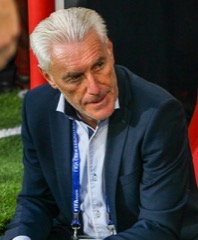
Hugo Broos is one of the most decorated coaches in African football. The 74-year-old Belgian won the Africa Cup of Nations with Cameroon in 2017, and since taking the South Africa job in 2021 he has stripped the team back and rebuilt it around youth, fitness and a clear identity. His methods have not always been popular — he has been blunt about the limitations of the domestic league and unsentimental about dropping established names — but the results speak plainly: a semi-final at the 2023 Africa Cup of Nations, where Bafana finished third, and now a return to the World Cup. Broos is pragmatic and demanding, a coach who trusts organisation over flair and asks his players to defend as a unit and attack with pace. This is, by his own admission, likely his final major tournament, and he has built the squad to make it count.
How South Africa play
Broos's South Africa are defined by structure and transition. They sit in a compact, well-drilled shape, defend their box in numbers, and look to break at speed through quick wide players and overlapping full-backs. It is not a team built to dominate possession against the best sides; it is built to frustrate them and to punish mistakes. The spine is the key: a commanding goalkeeper-captain in Ronwen Williams, a midfield anchored by Teboho Mokoena's range of passing, and a front line that leans on the movement of Burnley striker Lyle Foster and the directness of a new wave of attacking talent. Against South Korea in Monterrey, expect Broos to set up patiently, content to absorb pressure and strike on the counter rather than chase the game.
Key players

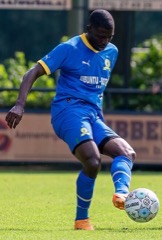
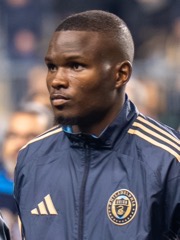
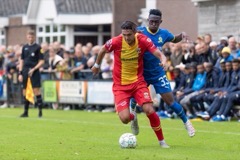
Ronwen Williams is the heartbeat of this team. The Mamelodi Sundowns goalkeeper and captain became a national hero at the 2023 Africa Cup of Nations, saving four penalties in a single shootout against Cape Verde, and his shot-stopping and leadership are central to everything Broos has built. In front of the line, Lyle Foster carries the squad's most prominent club pedigree as a Premier League striker at Burnley, a powerful, mobile centre-forward who gives Bafana a genuine focal point. Teboho Mokoena, the Sundowns midfielder, dictates the tempo from deep, while veteran playmaker Themba Zwane brings craft and experience in the final third.
The most intriguing thread, though, is youth. Broos has handed major roles to a cluster of young attackers — Orlando Pirates winger Relebohile Mofokeng, one of the most exciting teenagers in African football, alongside Oswin Appollis and a defence increasingly stocked with players earning moves abroad, from Philadelphia Union's Olwethu Makhanya to Hannover's Ime Okon and Molde's Samukele Kabini. It is a squad that blends the experience of the 2023 AFCON run with a new generation Broos is openly building for the future.
The squad, line by line
Ronwen Williams (Mamelodi Sundowns), captain and first choice in goal.Goalkeepers
Captain Ronwen Williams is the undisputed number one, a shot-stopper whose penalty heroics at the 2023 Africa Cup of Nations made him a national icon. Behind him sit Ricardo Goss of Siwelele and Orlando Pirates' Sipho Chaine — an all-domestic goalkeeping unit drawn entirely from the South African league.
Defenders
The defence mixes Sundowns reliability — Khuliso Mudau, Aubrey Modiba and Khulumani Ndamane — with a wave of players now based abroad: Olwethu Makhanya at Philadelphia Union, Mbekezeli Mbokazi at Chicago Fire, Ime Okon at Hannover 96 and Samukele Kabini at Molde. Broos can field a back four or a back three, and the uncapped duo of Makhanya and Kaizer Chiefs' Bradley Cross signals how far he is willing to look for fresh legs.
Olwethu Makhanya (Philadelphia Union), part of an increasingly well-travelled back line.Aubrey Modiba (Mamelodi Sundowns), one of the squad's domestic core.Midfield
The engine room is built around Teboho Mokoena, whose passing range sets the team's tempo, supported by Jayden Adams, Orlando Pirates' Thalente Mbatha and the Portugal-based Sphephelo Sithole of Tondela. It is a compact, hard-working midfield rather than a flashy one — designed to protect the back line and spring the quick attackers ahead of it.
Forwards
Burnley's Lyle Foster leads the line, with Mamelodi Sundowns striker Iqraam Rayners and Orlando Pirates' Evidence Makgopa offering alternative profiles. The width and pace come from a young, exciting group of wingers — Relebohile Mofokeng, Oswin Appollis and Tshepang Moremi of Orlando Pirates, plus Thapelo Maseko in Cyprus — with veteran Themba Zwane the creative link who ties the attack together.
Lyle Foster (Burnley) leads the line.Notable absences
The squad is not without its talking points. Broos left out several established names in favour of younger options, and the selection of two uncapped defenders — Olwethu Makhanya and Bradley Cross — came at the expense of more experienced campaigners, a gamble entirely in keeping with the coach's youth-first philosophy. The squad also leans heavily on the domestic league: nineteen of the twenty-six players are based in South Africa, with only a handful in Europe and two in Major League Soccer. It is, by modern World Cup standards, an unusually home-grown group, and how that domestic core copes with the step up to elite international football is the central question hanging over Bafana's campaign.
The full 26-man squad
Porteros
Defensas
Mediocampistas
Delanteros
Group A: who South Africa must get past
South Africa share Group A with co-hosts Mexico, South Korea and Czechia — the group that opens the entire tournament. Mexico are the seeded side and, roared on by home crowds, the clear favourites to win it. South Korea, Bafana's Monterrey opponent, are an Asian heavyweight built around Premier League and European talent and a side South Africa will likely view as their most direct rival for a knockout place. Czechia bring European organisation and set-piece threat. With the expanded 48-team format sending the top two from each group plus the best third-placed teams into the knockouts, South Africa do not need to win the group to advance — they need to take points from South Korea and Czechia, which makes the June 24 fixture in Monterrey arguably the most important night of their tournament.



South Africa's full schedule and route to the final
Here is South Africa's complete path: their three Group A matches, followed by the knockout route they would take if they win the group. Kickoff times are local Central Time, the same time zone as Monterrey.
Mexico vs  South AfricaCzechia vs South AfricaSouth Africa vs South Korea
Expected weather for each match
Because the matches are still a couple of weeks out — beyond a reliable live forecast — the figures below are the typical conditions for each venue and kickoff time, drawn from the last ten years of records via the Open-Meteo weather archive. They are a climate guide, not a same-day forecast; we will refine them as live forecasts come into range. One thing matters more than the numbers: the Atlanta match is played inside Mercedes-Benz Stadium, which has a retractable roof and air conditioning, so heat is a non-issue there. The Mexico City and Monterrey matches are open-air.
The Monterrey match: South Africa vs South Korea
South Africa's date in Monterrey is the Group A fixture against South Korea at Estadio BBVA on Wednesday, June 24, with a 7:00 PM local kickoff. It may well be the match that defines their tournament. Both teams will likely arrive viewing each other as the most beatable opponent in a group containing co-hosts Mexico, and with a knockout place potentially riding on the result, the stakes could hardly be higher. South Korea, ranked well above Bafana and built around players from Europe's top leagues, will start as favourites, but Broos's side are at their best in exactly this kind of game — disciplined, compact, and lethal on the counter through the pace of their young wingers. The late kickoff is a gift in a Monterrey June: by seven in the evening the daytime heat has begun to break, and under the stadium's canopy, which shades the great majority of seats, conditions should be bearable for players and fans alike.
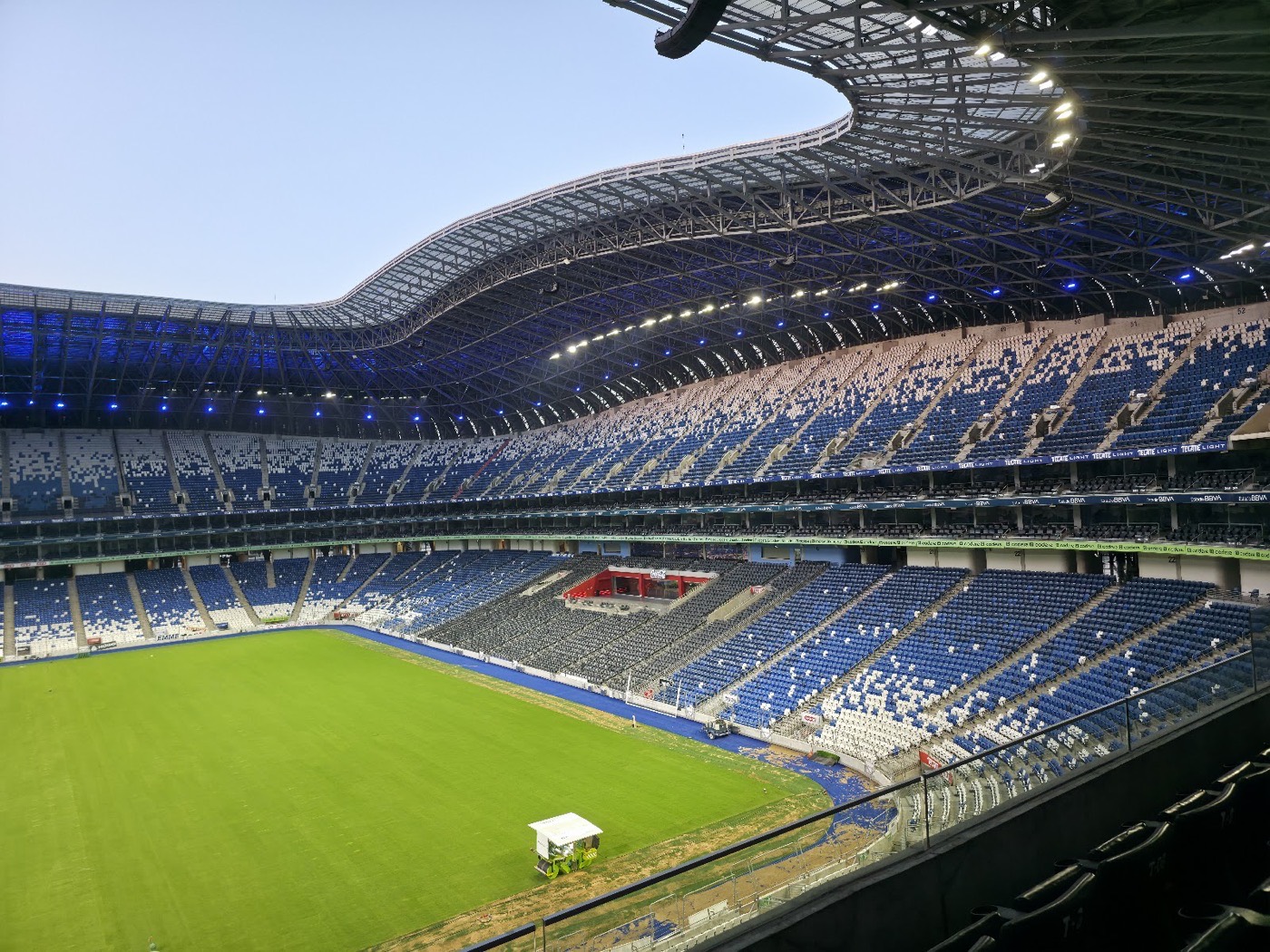
Practical note for the night: the stadium sits in Guadalupe on the eastern side of the metro area, reachable by Metro to Exposición plus a short walk, or by Uber and DiDi. A 7 PM kickoff means a late finish, so plan your route back before the match rather than after the final whistle.
What to expect from South Africa's fans
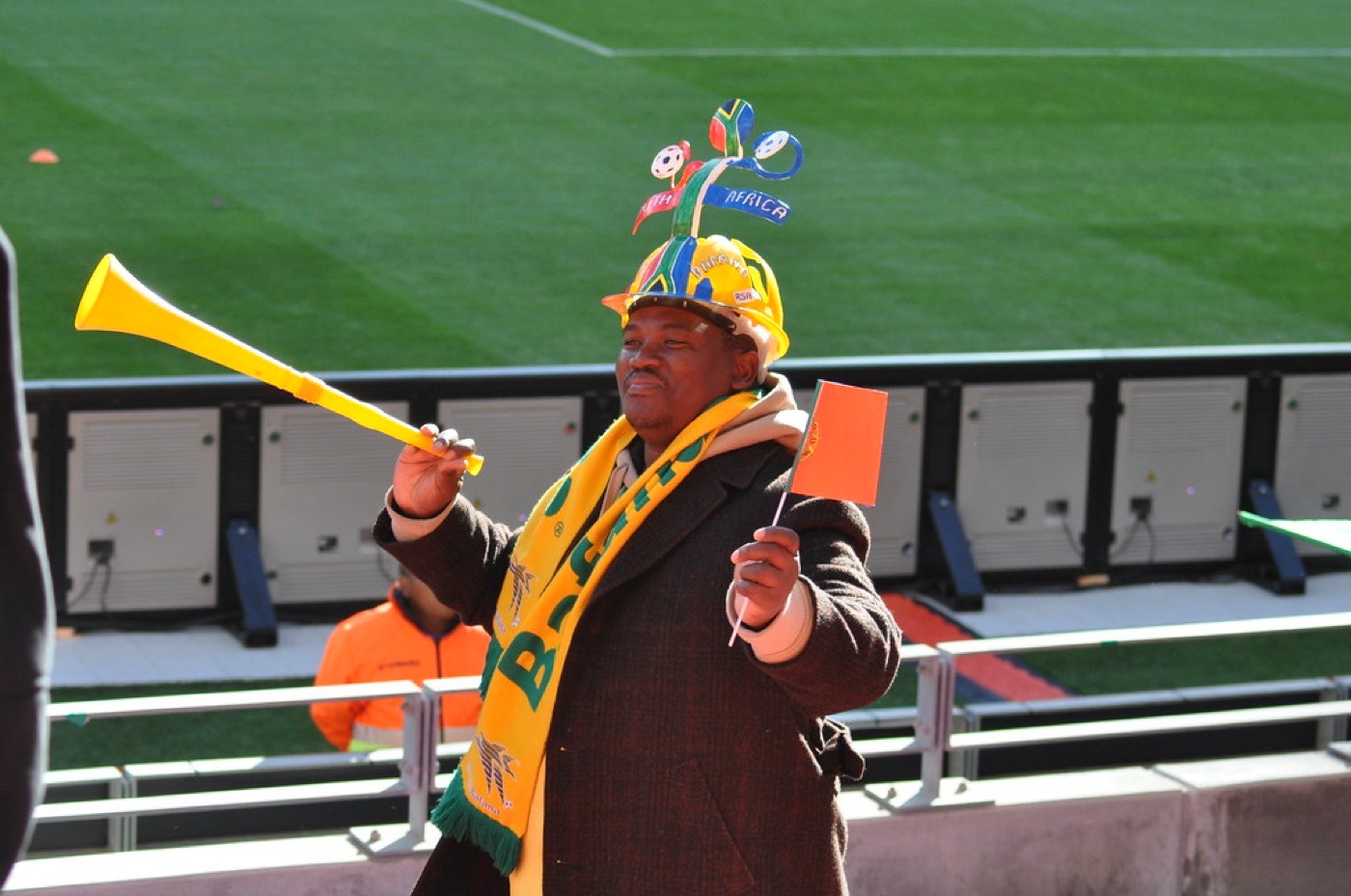
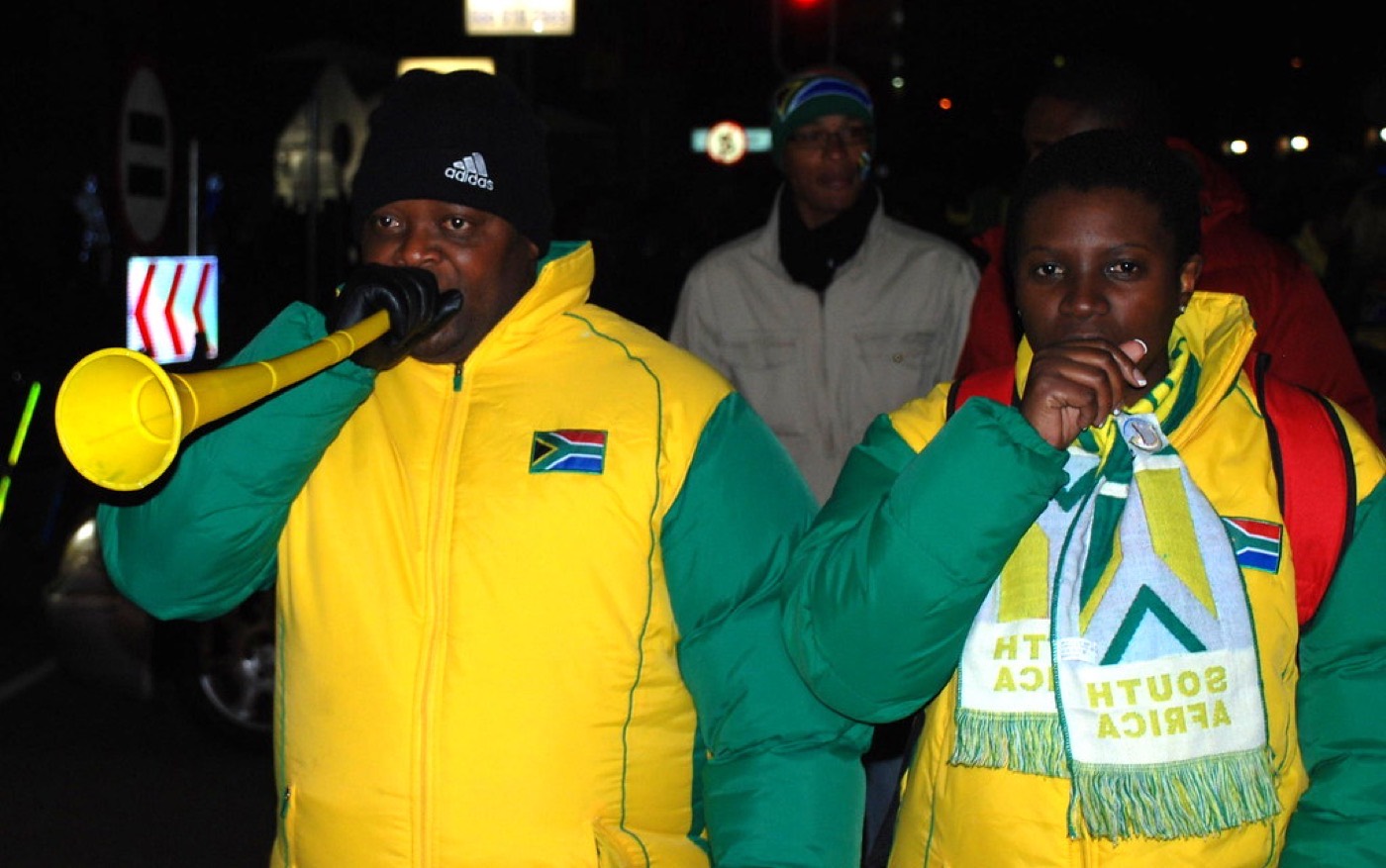
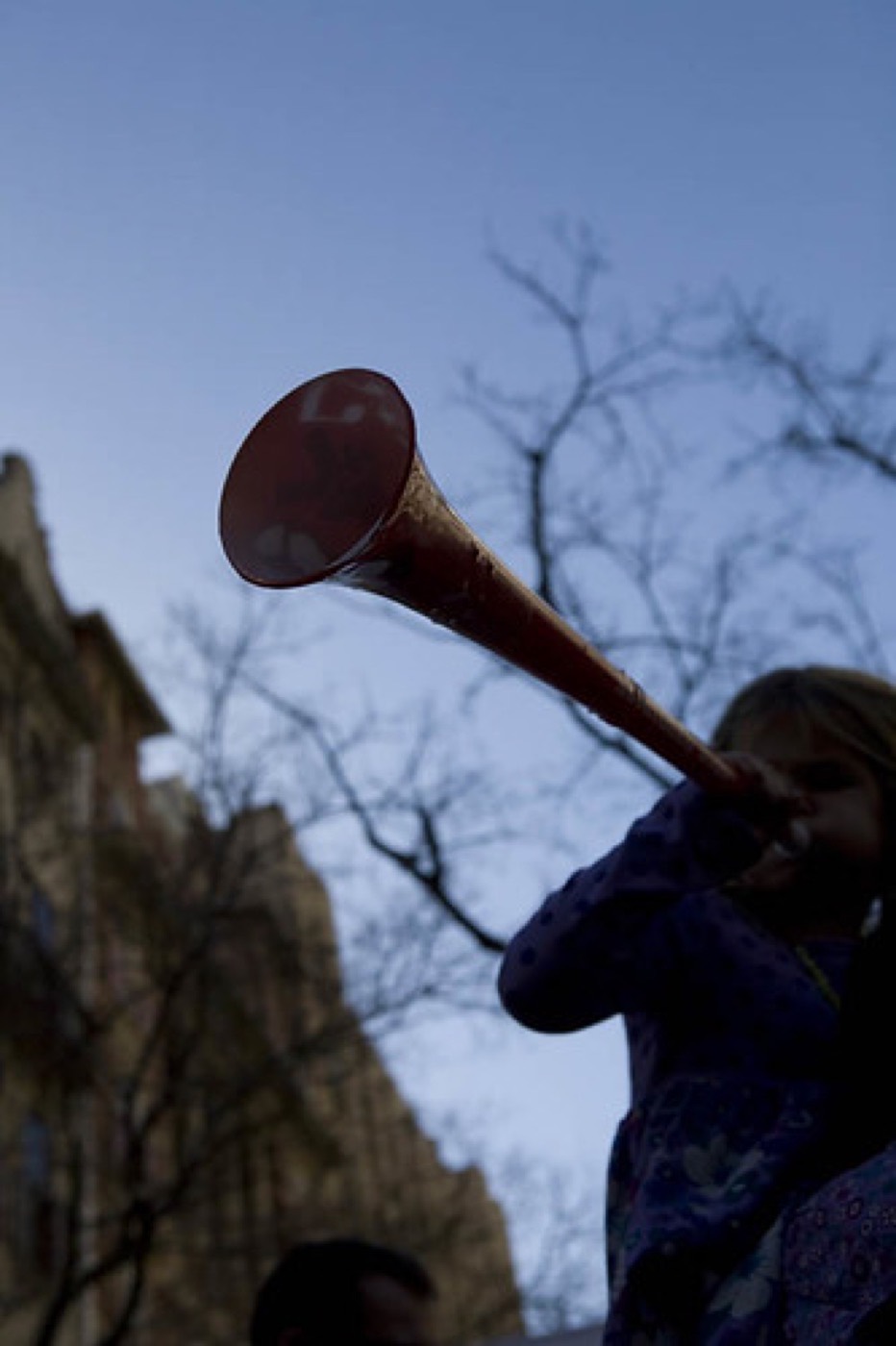
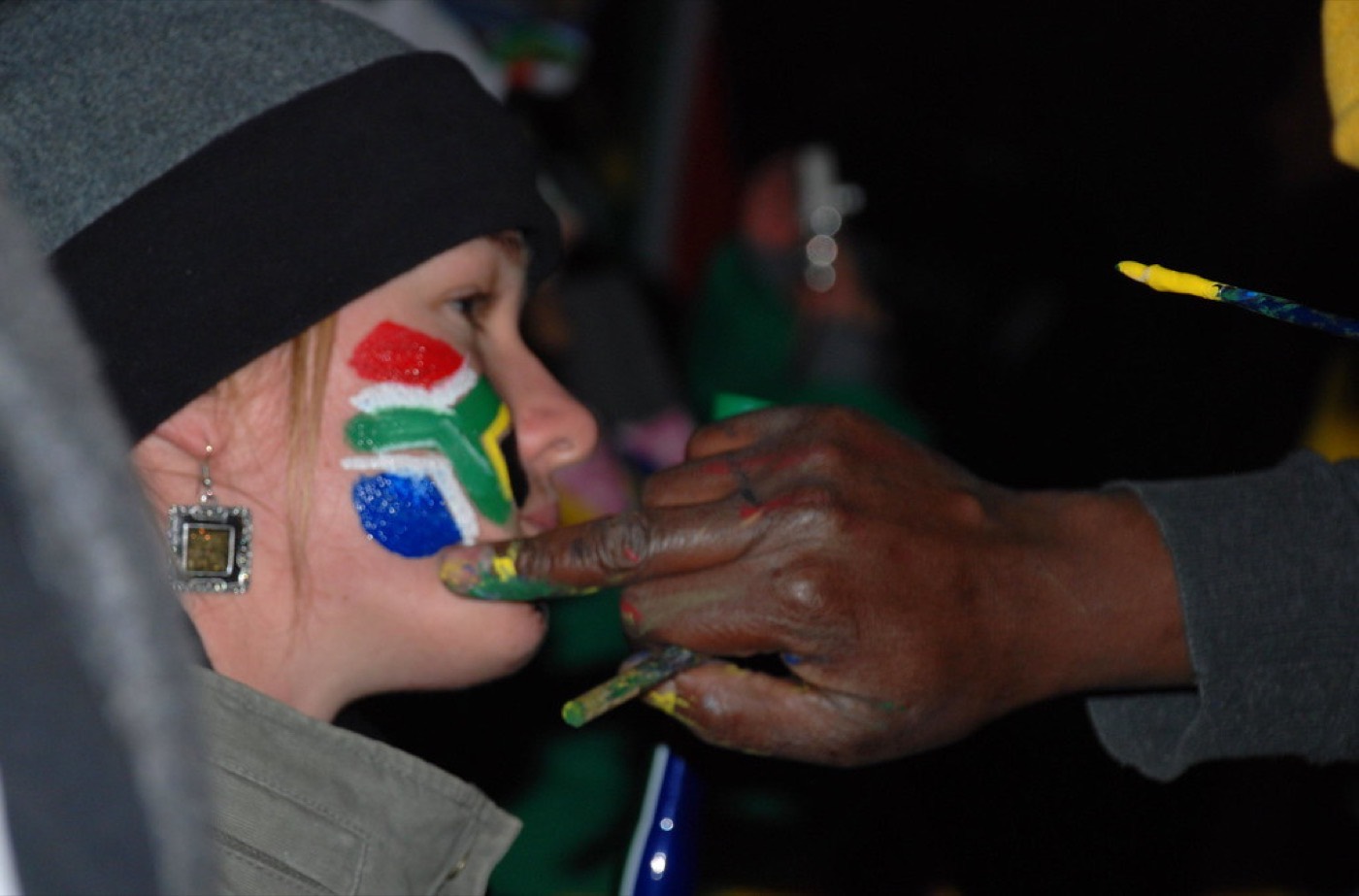
If you have a ticket, you are in for one of the World Cup's most distinctive supporter experiences. South African fans gave the world the sound of the 2010 tournament — the vuvuzela, the long plastic horn whose drone became the unmistakable soundtrack of that summer — and they bring a carnival atmosphere of song, dance and colour wherever they travel. The mood is loud, warm and family-friendly, wrapped in the green and gold of the Rainbow Nation. In a stadium as steep and intimate as Estadio BBVA, even a modest travelling South African following will make the June 24 night feel like a genuine World Cup occasion.
Whether South Africa go on from Monterrey depends entirely on results in a tight Group A — but for one Wednesday night in June, Bafana Bafana belong to the Steel Giant, and they arrive carrying the hopes of a football nation that has waited sixteen years to feel this stage beneath its feet again.
Watch their match at the Fan Festival
Every Monterrey game plays on the giant screens at Parque Fundidora — free general admission.
See the match schedule →