No team has a closer tie to Monterrey at this World Cup than Tunisia. While most nations pass through the Steel Giant for a single night, the Eagles of Carthage play two of their three Group F matches at Estadio BBVA: against Sweden on Saturday, June 14, and against Japan on Saturday, June 20. For two weeks in June, Monterrey is effectively Tunisia's home base in Mexico — a real story for the city, and a genuine chance for local fans to adopt a side. This is everything worth knowing about the team that will spend more time here than any other: who they are, how they qualified, how they play, and the 26 men Sabri Lamouchi is bringing to Mexico.
Tunisia's road to Monterrey
Tunisia booked their place in the 2026 World Cup the hard way and the impressive way at once: through the African qualifiers, and without conceding a single goal. Topping their CAF qualifying group, the Eagles of Carthage became the first nation in this cycle to come through qualification with a clean sheet across the entire campaign — a record that says everything about the team's defensive identity. The decisive results came under Sami Trabelsi, who built the side into one of the most miserly defences in world football before the campaign was done.
This is Tunisia's third consecutive World Cup and their seventh appearance overall, a run of consistency that places them among Africa's most reliable qualifiers. They first reached the finals in 1978, when they became the first African nation to win a World Cup match, beating Mexico 3-1 in Argentina. Since then the pattern has been painfully familiar: Tunisia turn up, they compete, they frustrate, and they go home after the group stage. They have never reached the knockout rounds. That unbroken ceiling — a first World Cup last-16 appearance — is the single clearest motivation behind everything this squad does in Mexico.
The Qatar 2022 legacy — and the ceiling they want to break
Tunisia's last World Cup ended the way most of them have, but not before they reminded the world how dangerous they can be on their day. In their final group match at Qatar 2022 they beat the reigning world champions, France, 1-0 — a result that ranks among the great upsets of the tournament, even if France had rotated their side. It was not enough to take Tunisia through on goal difference, and they were eliminated at the group stage once again. But the performance was a statement: a disciplined, organised African side can take down anyone if the bigger name switches off for a moment.
That capacity to frustrate elite opponents has not gone away. As recently as November, Tunisia held Brazil to a 1-1 draw, further evidence that this is a team built to absorb pressure and punish the rare mistake. The challenge in 2026 is to turn those isolated upsets into a points total that finally carries them into the last 16. With the expanded 48-team format sending the best third-placed sides through as well as the top two, Tunisia have never had a more realistic route out of a group.
The manager: Sabri Lamouchi
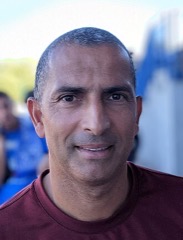
Sabri Lamouchi took charge of Tunisia in January 2026, replacing Sami Trabelsi after an AFCON round-of-16 exit, and inherited a qualified team with a settled defensive structure. It is a return to the international stage for a coach who knows the World Cup well: a former France international, Lamouchi led Ivory Coast at the 2014 finals before building a club career in England with Nottingham Forest and Cardiff City. He has spent his short time in charge ringing the changes — his squads have looked notably different from Trabelsi's, blending the battle-hardened veterans who delivered qualification with a wave of younger, Europe-based talent. The brief is clear: keep the defensive backbone that got Tunisia here, but find the cutting edge in attack that past Tunisia teams have so often lacked.
How Tunisia play
Tunisia are, first and last, an organised defensive side. The qualifying clean-sheet record was no accident: they defend deep and compact, protect the central areas fiercely, and ask opponents to break them down through congested space. Captain Ellyes Skhiri sits at the base of midfield as the metronome, dropping in to win the ball and dictate tempo, and the team's results rise and fall on his influence. Where Tunisia have historically struggled is the final third — the qualifying campaign was built on grinding out narrow wins rather than scoring freely. Lamouchi's task is to add directness and pace on the break through his younger attackers without surrendering the defensive shape that is the team's whole identity. Expect a back four that rarely steps out of line, a hard-working midfield screen, and quick transitions when the chance to counter arrives.
Key players




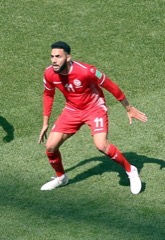

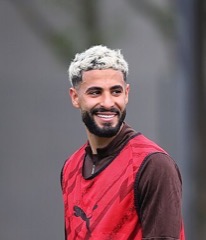
Ellyes Skhiri is the team. The captain and most-capped man in the squad, the Eintracht Frankfurt midfielder is the only Tunisian here to have played Champions League football this season — a composed, combative anchor who controls tempo and gives the side its shape. Ahead of him, Hannibal Mejbri of Burnley brings the spark: a restless, technically gifted midfielder whose driving runs are Tunisia's most direct route forward. Elias Achouri, the FC Copenhagen forward, is the squad's creative engine, and his understanding with Mejbri has been one of the more efficient partnerships of the qualifying era.
At the back, Montassar Talbi of Lorient and Servette's Dylan Bronn anchor the centre of the defence that conceded nothing in qualifying, while the experienced Rani Khedira — the Union Berlin midfielder and younger brother of World Cup winner Sami Khedira — adds Bundesliga steel to the engine room after accepting Lamouchi's call-up. Around them sits a squad that increasingly mixes the domestic Tunisian league with players at clubs across Germany, France, Switzerland and beyond.
The squad, line by line
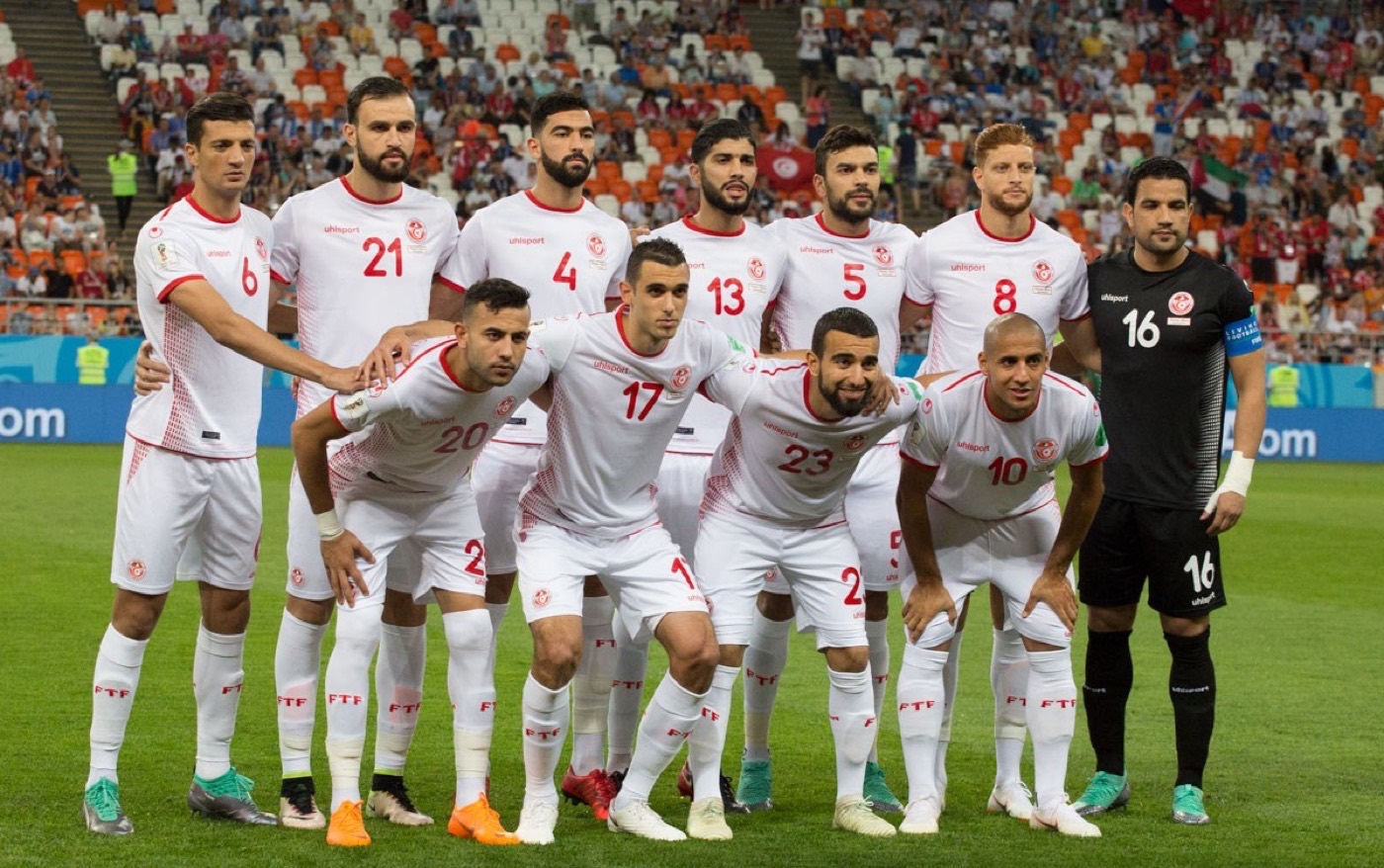 Tunisia line up before a World Cup match — a clean sheet was the story of qualifying.
Goalkeepers
Aymen Dahmen of CS Sfaxien is the established first choice in goal, the man behind the qualifying clean-sheet run, backed by Étoile du Sahel's Sabri Ben Hassine and Club Africain's Mohib Chamekh — a goalkeeping group drawn entirely from the Tunisian domestic league and built around continuity rather than reinvention.
Defenders
This is the heart of the team. Talbi and Dylan Bronn lead a back line that also features Maribor's Netherlands-born Omar Rekik, Young Boys full-back Yan Valery, OGC Nice's Ali Abdi, and a spine of Espérance de Tunis and domestic-league defenders. It is a unit that defends deep, stays compact, and made Tunisia one of the hardest teams in the world to score against during the qualifiers.
Montassar Talbi (Lorient), the anchor of a defence that conceded nothing in qualifying.Ellyes Skhiri (Eintracht Frankfurt), captain and the squad's metronome.Midfield
The midfield is where Tunisia's quality concentrates. Skhiri anchors; Hannibal Mejbri and Rani Khedira bring Premier League and Bundesliga experience; and younger talents like Augsburg's Ismaël Gharbi, Norwich City's Anis Ben Slimane and Lugano's Mohamed Haj-Mahmoud add energy and legs. It is a balanced engine room that can defend in numbers and break with pace.
Forwards
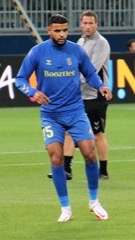
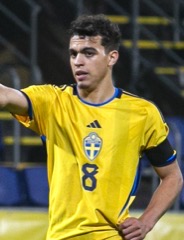
Up front, Achouri and Celtic winger Sebastian Tounekti supply the directness, with Hannover 96's Elias Saad, Dynamo Makhachkala's Hazem Mastouri, Club Africain's Firas Chaouat and a teenage Paris Saint-Germain talent in Khalil Ayari offering different profiles. There is no marquee number nine here — Tunisia's goals tend to be shared, and finding a reliable scorer is the squad's one open question.
Elias Achouri (FC Copenhagen) is Tunisia's creative spark in the final third.The notable absence

Every squad has its talking point, and Tunisia's is a striking one. Mohamed Ali Ben Romdhane — the midfielder who top-scored in qualifying and converted the penalty that helped send Tunisia to the finals — did not make Lamouchi's final 26. It is exactly the kind of bold, divisive call that has defined the new coach's short tenure, a signal that Lamouchi is willing to reshape the team around his own ideas even at the cost of leaving out a man central to qualification. Whether that gamble pays off is one of the genuine subplots of Tunisia's tournament.
The full 26-man squad
Porteros
Defensas


Mediocampistas

Delanteros

Group F: who Tunisia must get past
Tunisia share Group F with the Netherlands, Japan and Sweden — a demanding draw with no easy night. The Netherlands are the seeded side and the group favourites; Japan arrive as one of Asia's strongest teams, fresh from beating Germany and Spain at Qatar 2022; and Sweden bring physicality and quality. Tunisia are widely cast as the group's outsiders, but that is exactly the role in which they are most dangerous — a disciplined, defensively stubborn side that has knocked over France and held Brazil. With the top two from each group plus the best third-placed teams advancing in the new 48-team format, Tunisia will fancy their chances of finally reaching a World Cup knockout round if they can take points from at least one of these three. Two of those tests happen right here: Sweden and Japan both come to Monterrey.



Tunisia's full schedule and route to the final
Here is Tunisia's complete path: their three Group F matches, followed by the knockout route they would take if they win the group. Kickoff times are local Central Time, the same time zone as Monterrey — and two of these three group games are played in the city.
Sweden vs  TunisiaTunisia vs JapanTunisia vs Netherlands
Expected weather for each match
Because the matches are still a couple of weeks out — beyond a reliable live forecast — the figures below are the typical conditions for each venue and kickoff time, drawn from the last ten years of records via the Open-Meteo weather archive. They are a climate guide, not a same-day forecast; we will refine them as live forecasts come into range. The key point for Tunisia is that both of their Monterrey matches, and a possible knockout return, are open-air at Estadio BBVA — the canopy shades most seats but does not cool the air — while only the Kansas City match is played at a different venue, and Arrowhead Stadium is open-air too.
The Monterrey matches: Tunisia's home from home
This is what makes Tunisia unique at the 2026 World Cup. They are the only team that plays two of its three group matches in Monterrey, both at Estadio BBVA: Sweden on Saturday, June 14 at 8 PM, then Japan on Saturday, June 20 at 10 PM. For nearly a week between those games, Tunisia are effectively based in the city, and Monterrey — a place that loves its football as fiercely as anywhere in Mexico — has every reason to take them on. A red-and-white wall at the Steel Giant, twice in a week, is exactly the kind of occasion that turns a neutral stadium into something closer to home advantage.
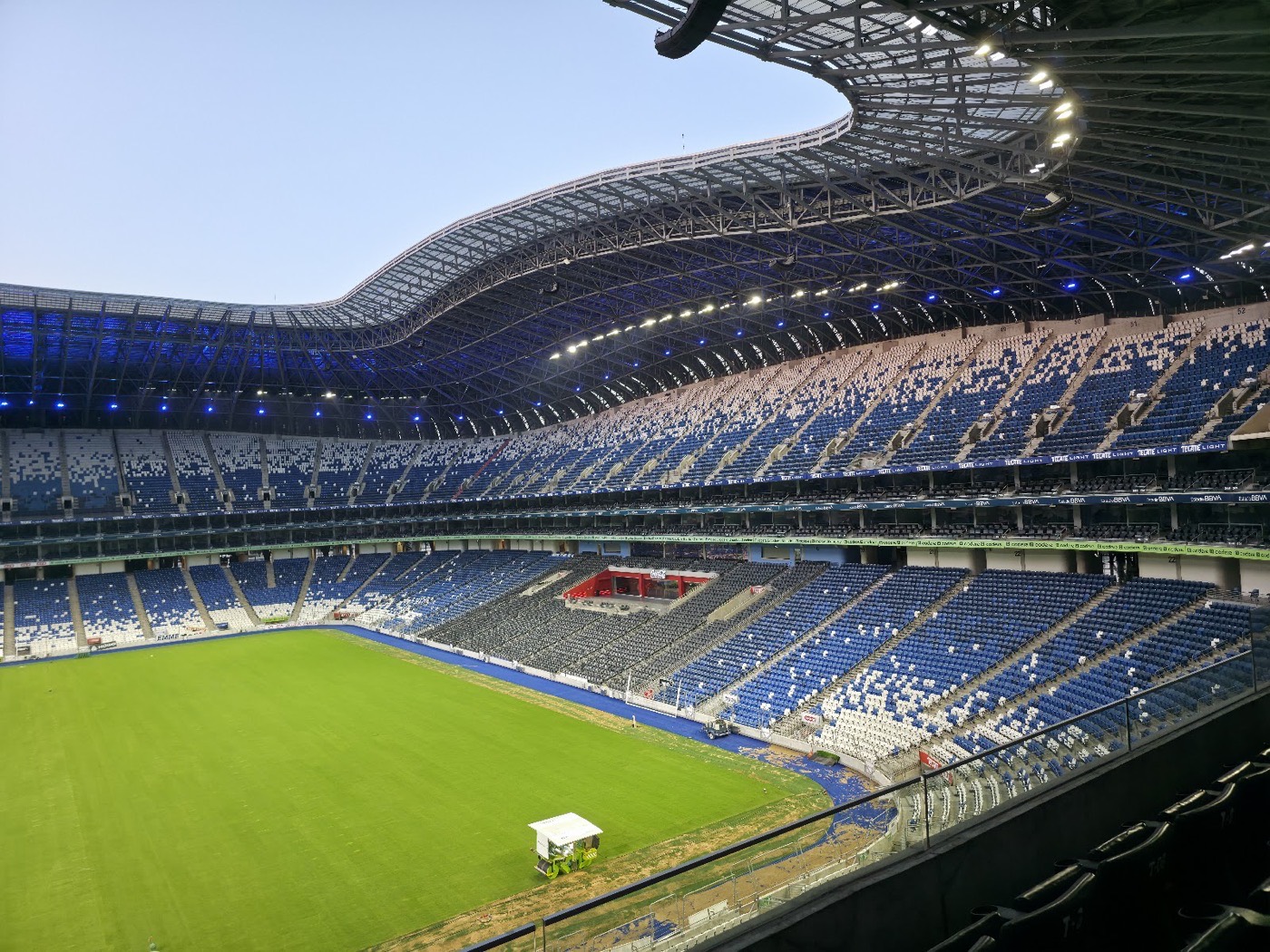
The football reasons to watch are just as strong. Against Sweden on June 14, Tunisia open their tournament against a physical European side in a match both teams will see as winnable — potentially decisive for who escapes the group. Against Japan on June 20, they face one of the form teams of world football, the side that beat Germany and Spain in Qatar, in precisely the kind of fixture where Tunisia's organised, counter-punching style has caused upsets before. Expect Lamouchi to set up to frustrate, to keep the back four compact, and to look for Mejbri and Achouri on the break.
Practical note for both nights: Estadio BBVA sits in Guadalupe on the eastern side of the metro area, reachable by Metro to Exposición plus a short walk, or by Uber and DiDi. The June 20 game against Japan kicks off at 10 PM and will finish late, so plan your route back before the match rather than after the final whistle.
What to expect from Tunisia's fans
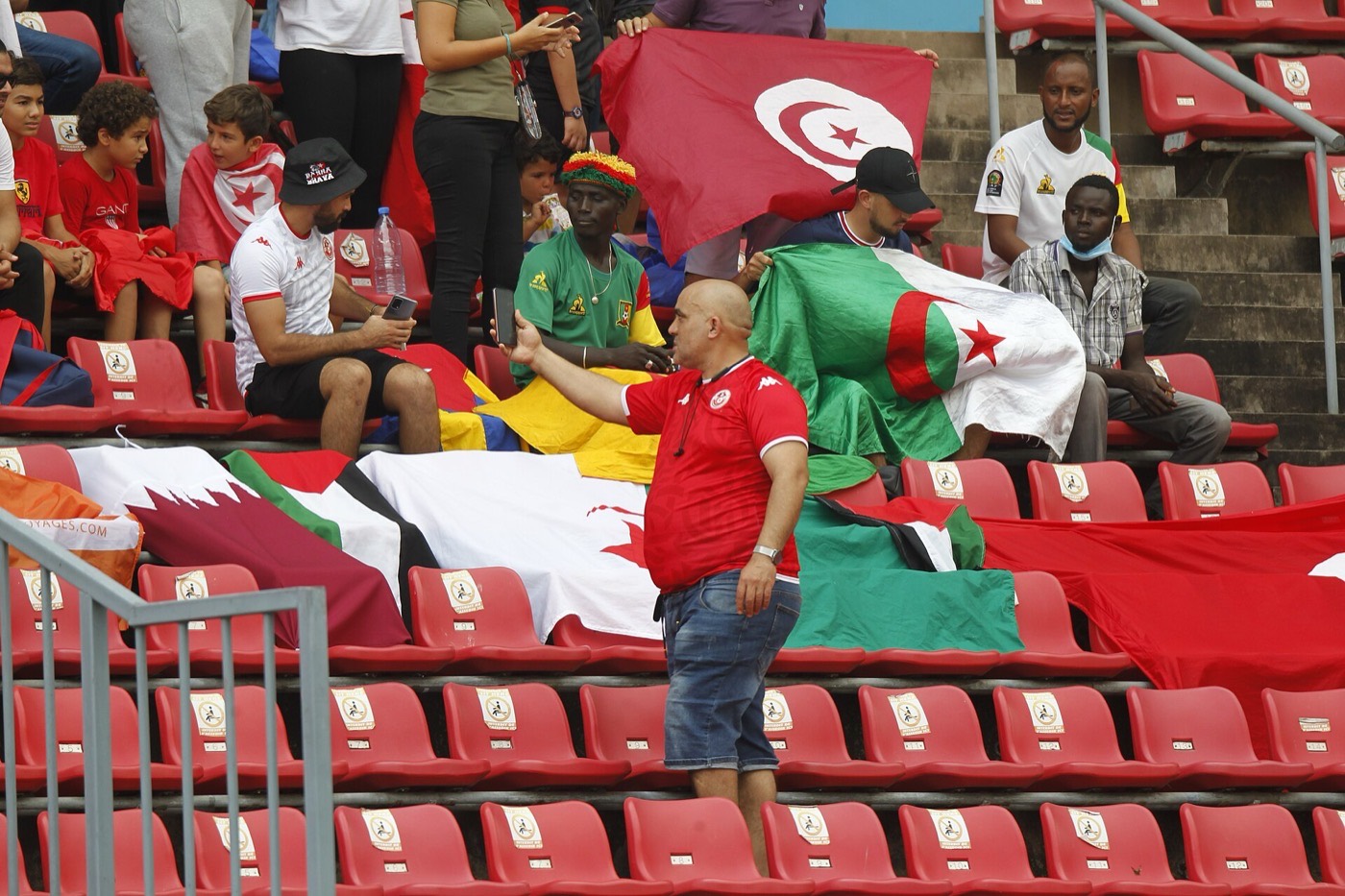
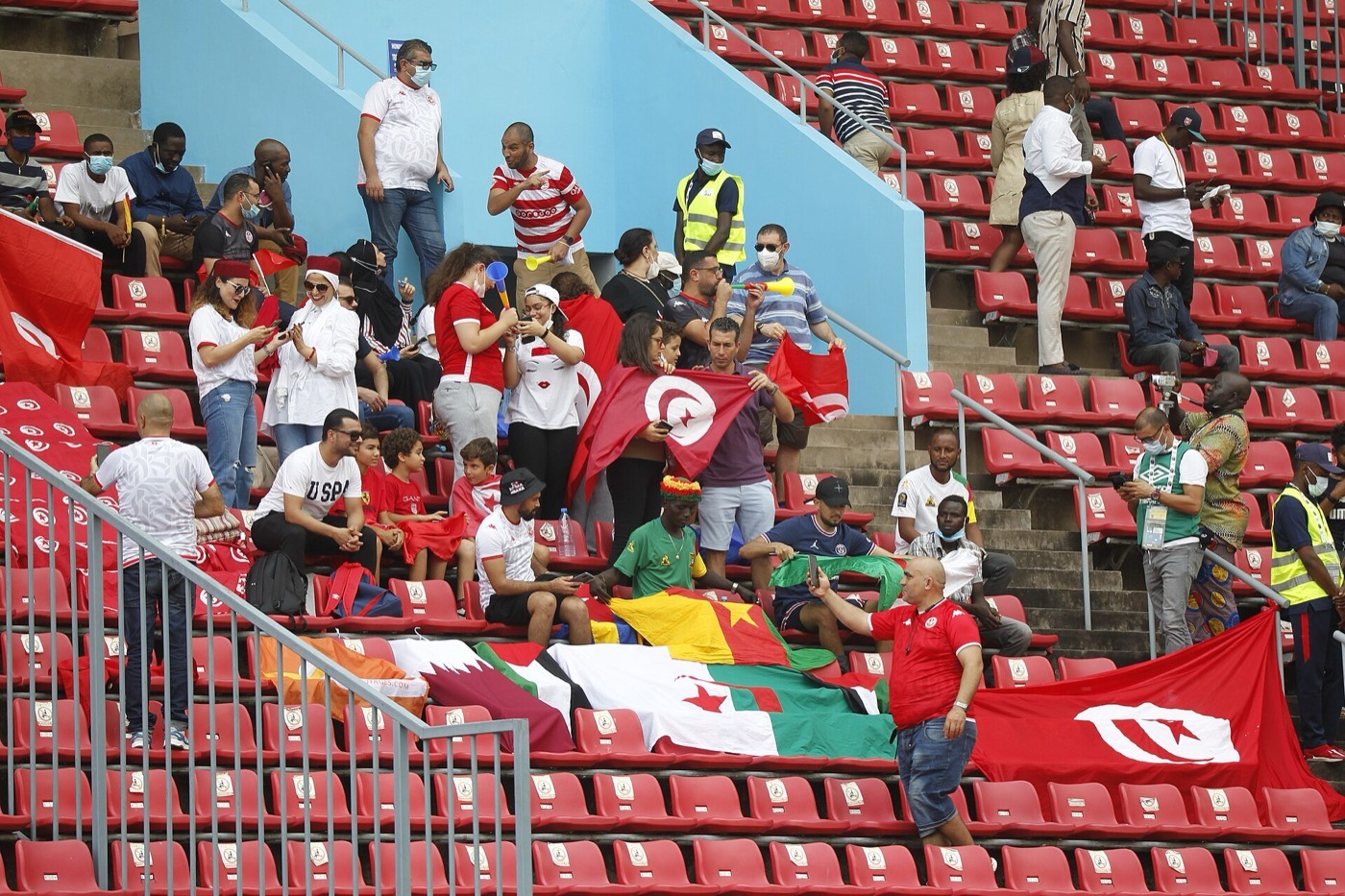
Tunisia travel with one of the most passionate supporter bases in African football, and a sizeable Tunisian and wider North African community across the Americas will swell their numbers in Mexico. Their fans are loud, flag-heavy and relentlessly behind the team — the kind of following that can lift a defensively minded side through the hard, scoreless stretches that define so many Tunisia matches. In a stadium as steep and intimate as Estadio BBVA, a strong Tunisian turnout across two matches in a week could make Monterrey feel, for a few nights in June, like a corner of Tunis transplanted to Nuevo León.
Whether Tunisia are simply passing through or building toward the June 29 knockout depends on how Group F unfolds. But for two Saturday nights in June, the Eagles of Carthage belong to the Steel Giant — and they arrive as a team that genuinely believes this is the World Cup where they finally break their group-stage ceiling.
Watch their match at the Fan Festival
Every Monterrey game plays on the giant screens at Parque Fundidora — free general admission.
See the match schedule →