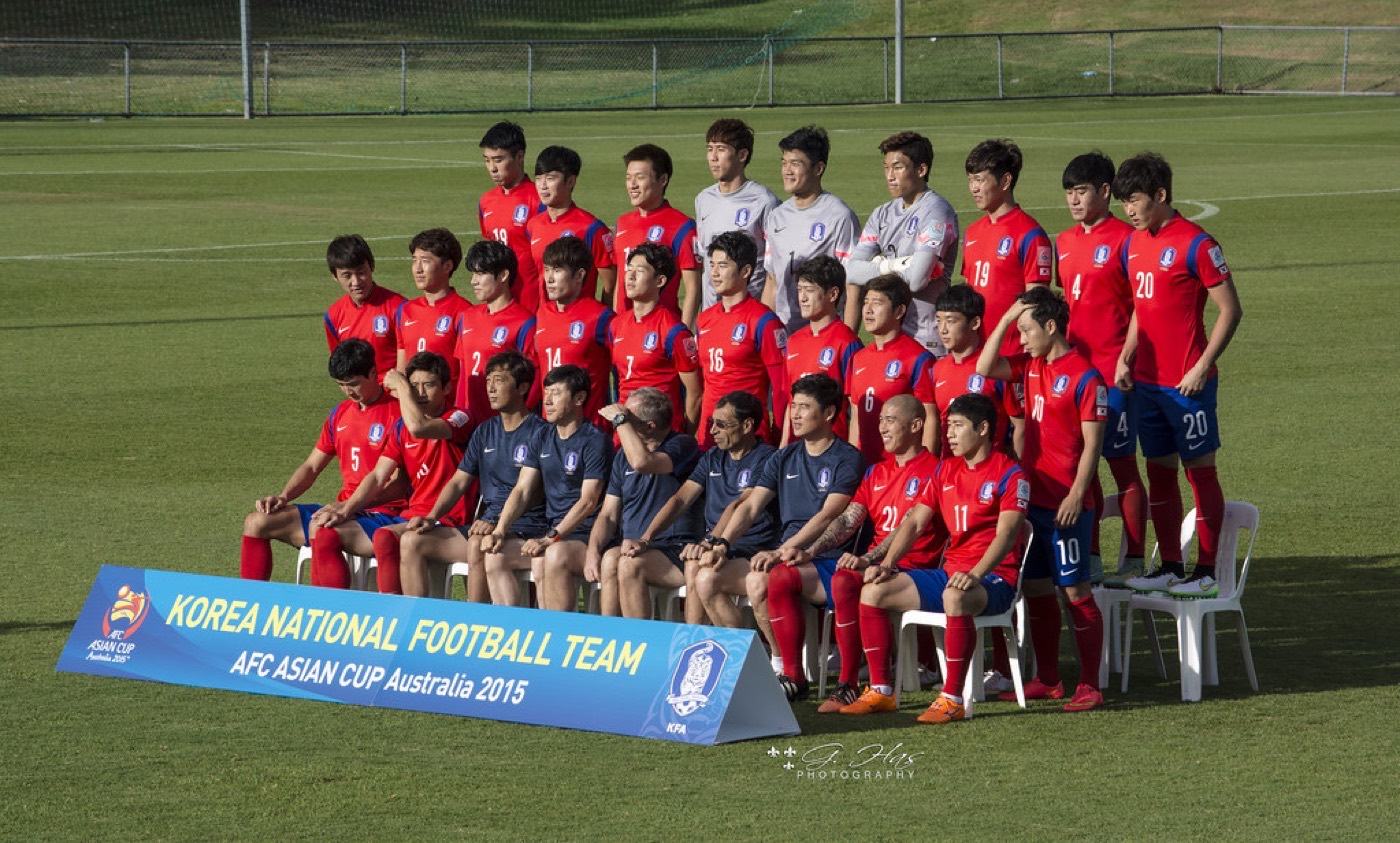
South Korea come to Monterrey for the match that closes their group stage: the Group A meeting with South Africa at Estadio BBVA on Wednesday, June 24. The Taegeuk Warriors arrive as one of Asia's most established sides and a team the rest of the world has learned not to underestimate — this is their eleventh consecutive World Cup, an unbroken run stretching back to 1986, and at Qatar 2022 they knocked Cristiano Ronaldo's Portugal out of the group on the final night to reach the round of 16. For anyone holding a ticket to the Monterrey fixture, here is everything worth knowing about the team you will be watching: who they are, how they got here, how they play, and the 26 men Hong Myung-bo is bringing to Mexico, led by Son Heung-min.
South Korea's road to Monterrey
South Korea qualified early and comfortably, the way a regional heavyweight is expected to. Drawn into the third round of Asian qualifying alongside Iraq, Jordan, Oman, Palestine and Kuwait, Hong Myung-bo's side topped the group to book their place at the 2026 World Cup with games to spare, never seriously threatened across the campaign. It is the kind of qualification that draws little drama and tells you plenty: South Korea are no longer hoping to reach World Cups, they expect to, and the only real question each cycle is how far they can go once they arrive.
This will be the eleventh straight time the country has reached the World Cup, a run of qualification that began in 1986 and has not been broken since — a record of consistency matched by only a handful of nations anywhere in the world. By the time they walk out in Monterrey, South Korea will arrive not as an Asian curiosity but as a side with deep tournament pedigree and a squad whose spine plays week in, week out for some of Europe's biggest clubs.
The Qatar 2022 legacy — and the Portugal night
South Korea's last World Cup is the reason neutrals circle their fixtures. Needing a win against Portugal in the final group game at Qatar 2022, and needing other results to fall their way, they conceded early but fought back and snatched a stoppage-time winner through Hwang Hee-chan to beat a Portugal side featuring Cristiano Ronaldo and reach the round of 16. It was one of the great last-gasp qualifications of the tournament, built on the kind of refusal to accept defeat that has become a hallmark of the Korean national team.
That run ended in the round of 16 against eventual finalists Brazil, a chastening night that nonetheless confirmed the ceiling this generation is trying to break. South Korea have reached the knockout rounds at multiple World Cups and famously went all the way to the semi-finals as co-hosts in 2002, but a deep run on foreign soil has eluded them since. The squad Hong Myung-bo brings to North America is built, openly, to compete past the group stage again — and the expanded 48-team format gives an established side like this a genuine platform to do it.
The manager: Hong Myung-bo

Few coaches carry the authority Hong Myung-bo does in Korean football. As a player he was the sweeper and captain of the 2002 side that reached the World Cup semi-finals on home soil, the first Asian team ever to do so, and he remains one of the most decorated figures the country has produced. He returned to the senior job in 2024 after an earlier spell in 2014, and 2026 is the World Cup he has built toward since. His Korea is organised but ambitious: he favours a possession-minded 4-2-3-1, asks his side to press high and win the ball back quickly, and leans on the technical quality of a European-based core to control matches rather than simply survive them — a clear echo of the proactive football Guus Hiddink instilled in 2002.
How South Korea play
The modern Taegeuk Warriors are defined by energy and transition. They press aggressively to force turnovers, then break at speed through a front line of quick, technical attackers who play their club football in Europe's top leagues. Hong Myung-bo typically sets up in a 4-2-3-1, with a double pivot screening the back four and the creative weight carried by Son Heung-min, Lee Kang-in and the runners around them. At their best they are direct and relentless; the stylistic risk, as ever with a high-pressing side, is the space left in behind, which is why the pace and reading of Kim Min-jae at the back matters so much to the balance of the team.
Key players
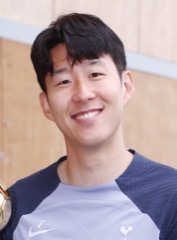
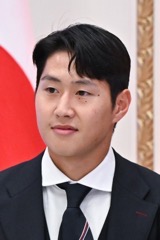



Son Heung-min is the heartbeat of this team and one of the finest forwards Asia has ever produced. A former Premier League Golden Boot winner and long-time Tottenham captain, now playing in Major League Soccer with Los Angeles FC, he leads the line and wears the armband; his pace, two-footed finishing and big-game temperament make him the player every opponent plans around. Alongside him, Lee Kang-in of Paris Saint-Germain has become the squad's chief creator, a left-footed playmaker comfortable on the biggest club stage, while Hwang Hee-chan of Wolverhampton — scorer of that Portugal winner in 2022 — supplies directness and goals from wide.
The spine behind them is just as European. Kim Min-jae, the Bayern Munich centre-back nicknamed “the Monster,” is among the best defenders in the world and the foundation of the back line. In midfield, Hwang In-beom at Feyenoord and Lee Jae-sung at Mainz give the team control and running, the platform that lets Son and Lee Kang-in take risks higher up. It is a squad with a clear identity: world-class quality at the top of the pitch, hard-working organisation behind it.
The squad, line by line
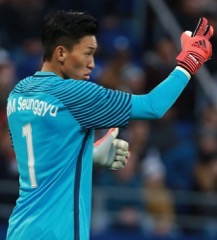 Kim Seung-gyu (FC Tokyo), the experienced first choice in goal.
Goalkeepers
Kim Seung-gyu, now at FC Tokyo, brings the experience and is expected to start, backed by Jo Hyeon-woo of Ulsan HD — a World Cup veteran himself — and the younger Song Bum-keun of Jeonbuk Hyundai Motors. It is a settled, reliable goalkeeping department rather than a question mark.
Defenders
Kim Min-jae is the centrepiece, one of the elite centre-backs in world football, and around him Hong Myung-bo has options at home and abroad: Seol Young-woo at Red Star Belgrade, Cho Yu-min in the UAE with Sharjah, the German-born Jens Castrop at Borussia Mönchengladbach, and full-backs Kim Moon-hwan and Kim Tae-hyeon. It is a back line built to defend deep when needed and to spring the press when the moment comes.
Kim Min-jae (Bayern Munich) anchors the back line.Lee Kang-in (Paris Saint-Germain), the squad's creative engine.Midfield
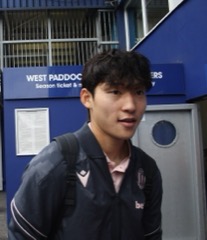
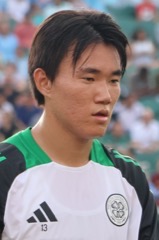
The engine room is the squad's deepest area. Lee Kang-in of PSG provides the creativity; Hwang In-beom and Mainz's Lee Jae-sung supply the control and legs; and there is genuine depth in Paik Seung-ho, the Premier League's Bae Jun-ho and Eom Ji-sung, and Celtic's Yang Hyun-jun. Almost the entire midfield now plays in Europe — a depth that would have been unthinkable for Korea a generation ago.
Forwards
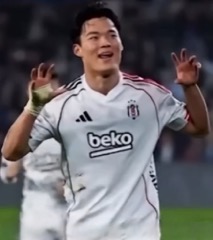
Son Heung-min leads the line and the squad, with Hwang Hee-chan of Wolverhampton offering pace and goals from wide. Behind them, Cho Gue-sung of Midtjylland gives Hong Myung-bo a genuine target man, and Beşiktaş's Oh Hyeon-gyu adds another physical option off the bench. It is a front line built around movement and Son's match-winning quality rather than a single static striker.
Son Heung-min (Los Angeles FC) leads the line and the team.The injury cloud over the build-up
South Korea arrive without a single catastrophic absence, but the build-up was not without anxiety. Both Lee Kang-in and Kim Min-jae carried knocks in the months before the tournament, and captain Son Heung-min managed a heavy schedule across an MLS season and international duty — a run of minor concerns that had Korean fans watching fitness updates closely. The reassurance came when Kim Min-jae's knee scare was cleared by scans and the senior trio all made the final 26. The squad that travels is, on paper, the strongest Hong Myung-bo could pick; the task now is keeping it fit through a long North American summer.
The full 26-man squad
Porteros
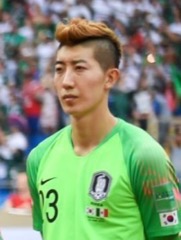

Defensas




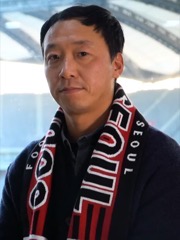


Mediocampistas
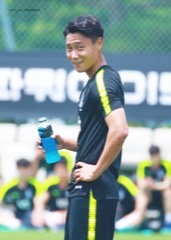



Delanteros

Group A: who South Korea must get past
South Korea share Group A with co-hosts Mexico, South Africa and Czechia — a balanced draw without a single overwhelming favourite. Mexico carry home advantage and the highest ranking in the group; Czechia bring European structure and quality; and South Africa, South Korea's Monterrey opponent, are an organised, fast-improving African side returning to the World Cup. With the expanded 48-team format sending the top two from each group plus the best third-placed teams into the knockouts, South Korea will fancy their chances of advancing, but they will need to take points from at least two of these three to be sure of it. Their Monterrey match against South Africa closes the group and could well be the night their qualification is decided.



South Korea's full schedule and route to the final
Here is South Korea's complete path: their three Group A matches, followed by the knockout route a group winner would take. Kickoff times are local Central Time — the same time zone as Monterrey and as Guadalajara, where their first two games are played.
 South Korea vs CzechiaMexico vs South KoreaSouth Africa vs South Korea
Expected weather for each match
Because the matches are still weeks out — beyond a reliable live forecast — the figures below are the typical conditions for each venue and kickoff time, drawn from the last ten years of records via the Open-Meteo weather archive. They are a climate guide, not a same-day forecast; we will refine them as live forecasts come into range. All three of South Korea's group venues are open-air, so the conditions matter. The good news for fans is that Guadalajara sits high above sea level and stays notably milder in the evening than Monterrey, and every one of South Korea's kickoffs falls after 7 PM, when the worst of the daytime heat has broken.
The Monterrey match: South Africa vs South Korea
South Korea's date in Monterrey is the Group A finale against South Africa at Estadio BBVA on Wednesday, June 24, with a 7:00 PM local kickoff. As the final round of group matches, it carries real weight: depending on results in Guadalajara and Mexico City, this could be the game that decides whether the Taegeuk Warriors reach the knockouts. South Korea will likely be favourites against a South African side ranked well below them, but Bafana Bafana are quick, well-drilled and dangerous on the counter, exactly the kind of opponent that has frustrated higher-ranked teams at past World Cups. Expect Hong Myung-bo's side to press, to dominate the ball, and to lean on Son Heung-min and Lee Kang-in to unlock a stubborn defence.
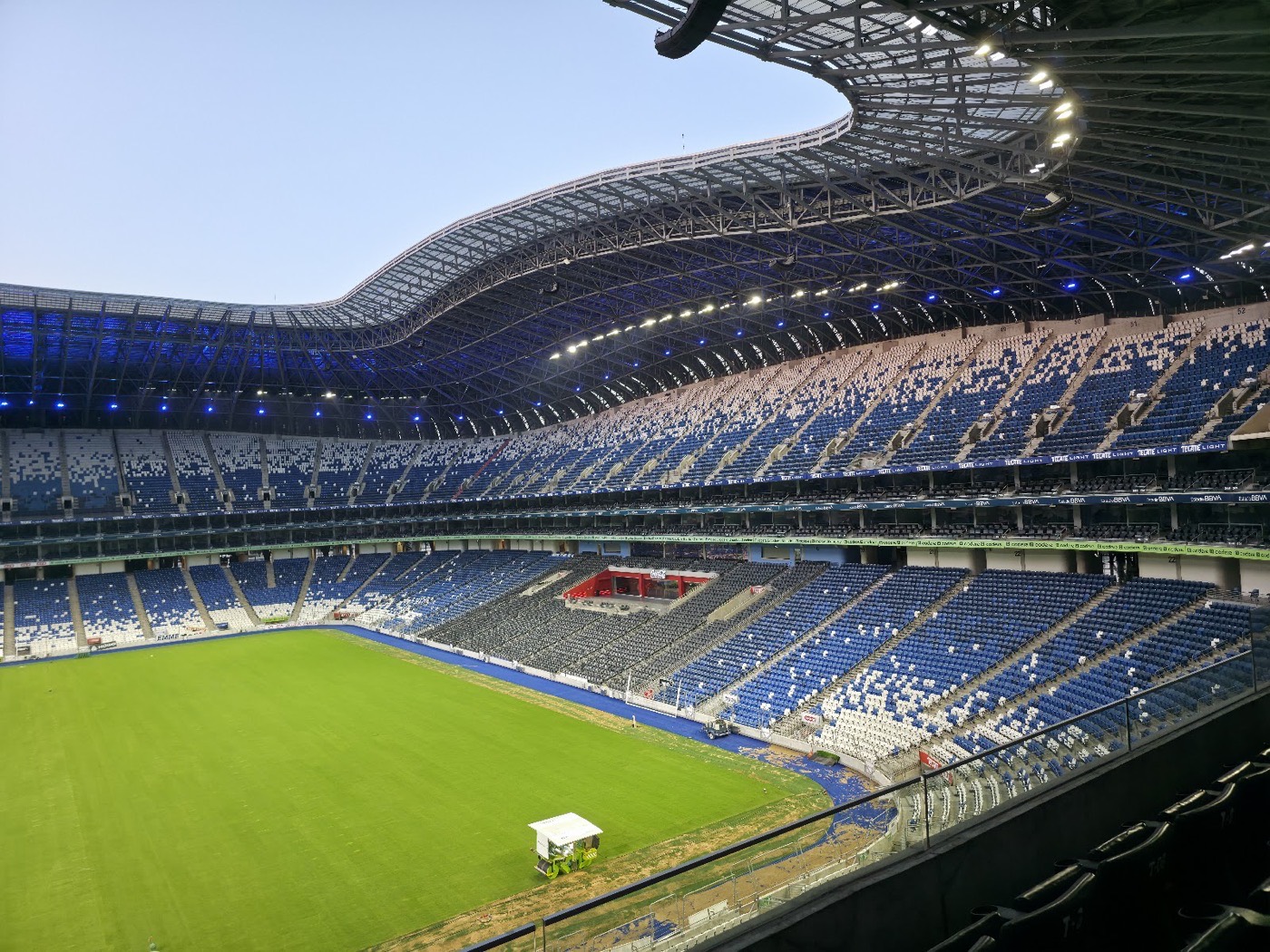
Practical note for the night: the stadium sits in Guadalupe on the eastern side of the metro area, reachable by Metro to Exposición plus a short walk, or by Uber and DiDi. A 7 PM kickoff in a Monterrey June still means a warm, humid evening, so arrive hydrated and plan your route back before the match rather than after the final whistle.
What to expect from South Korea's fans
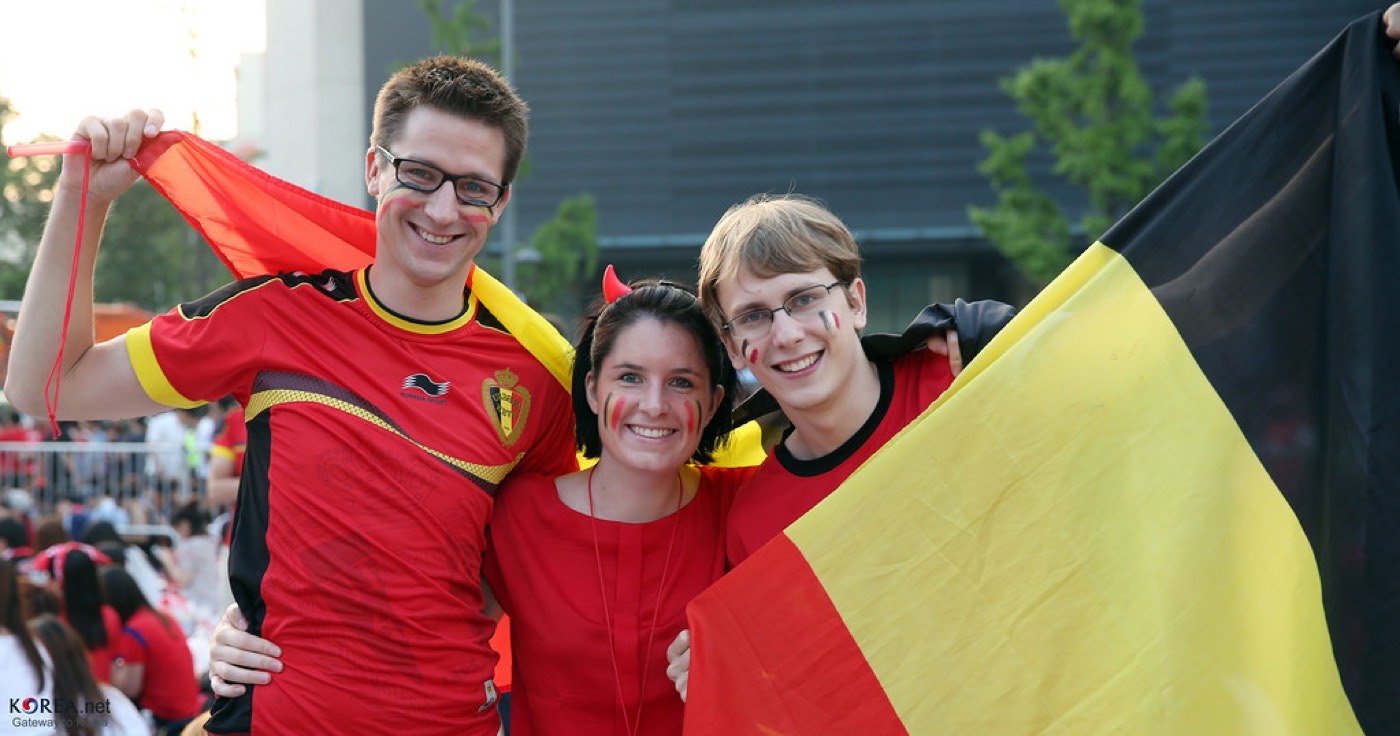
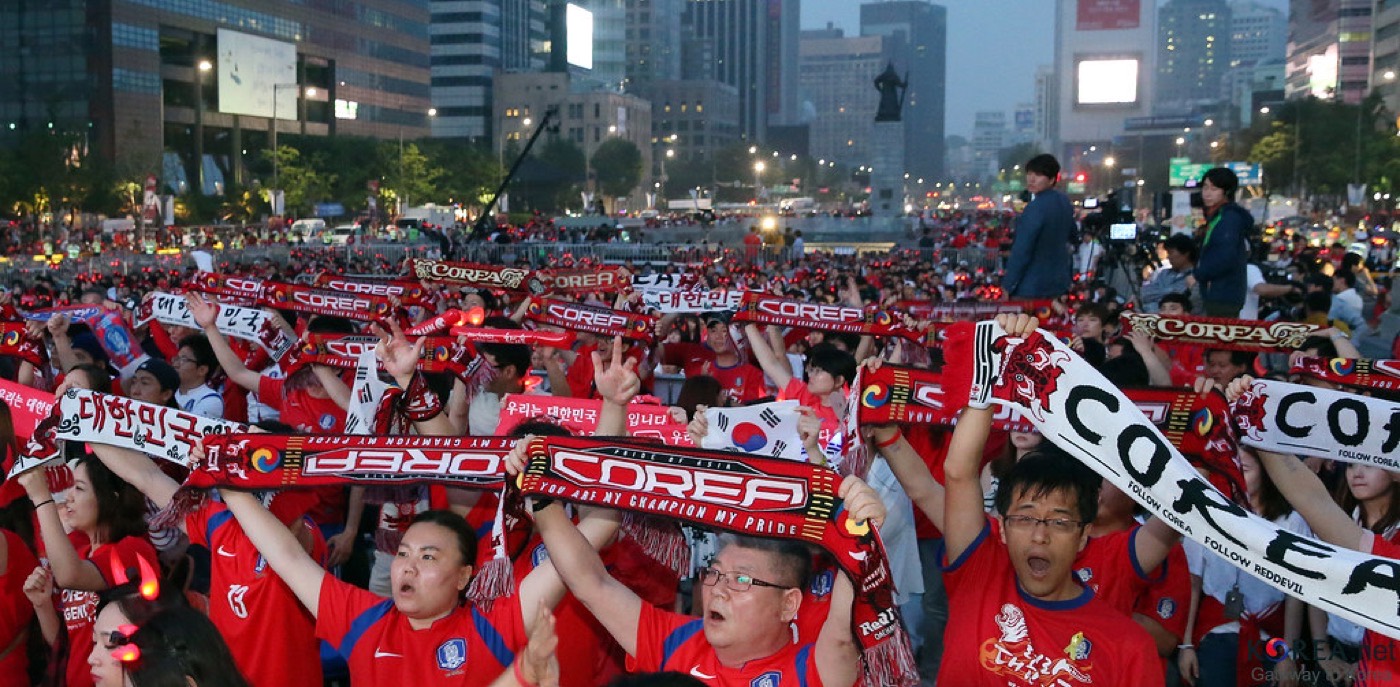
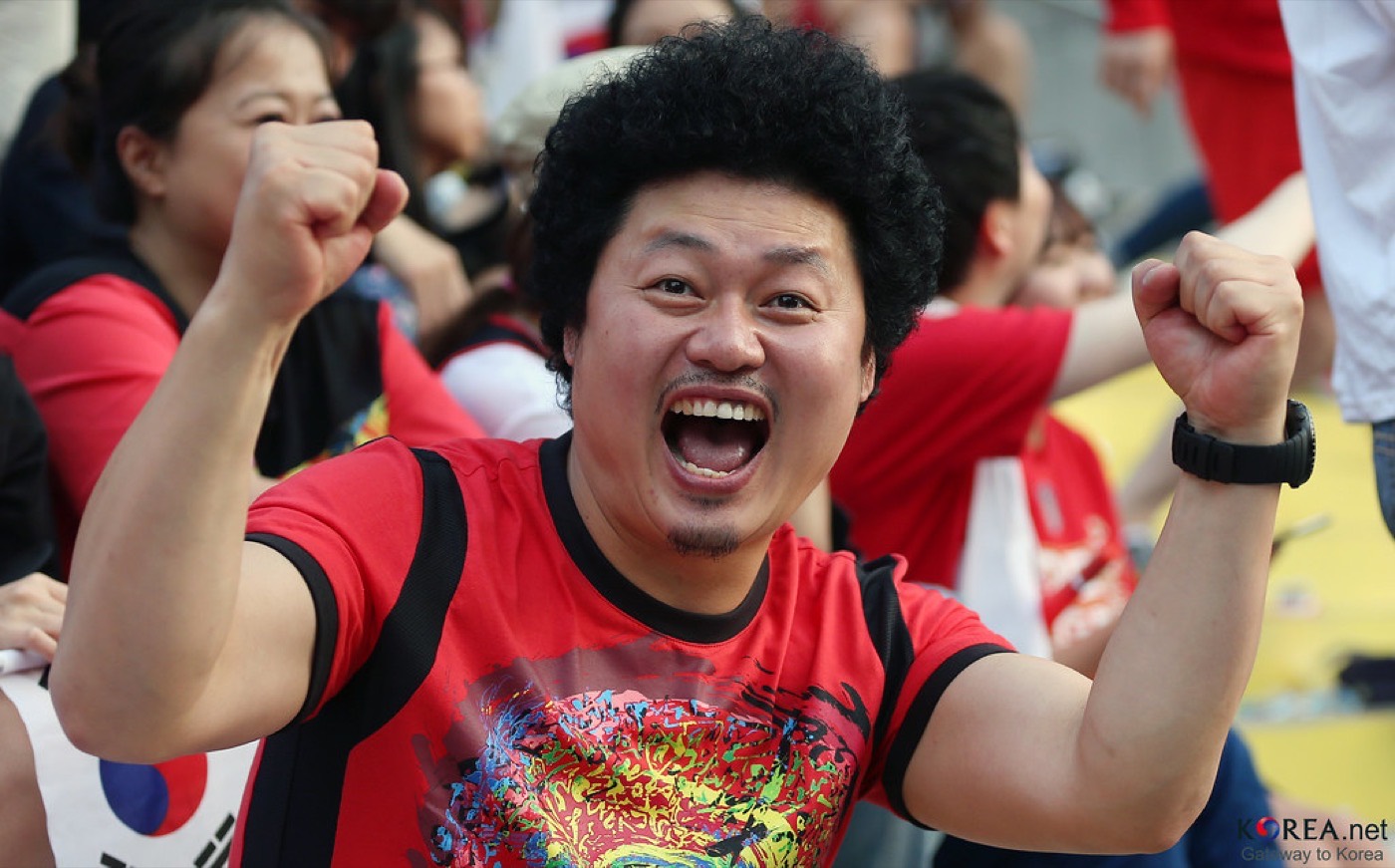
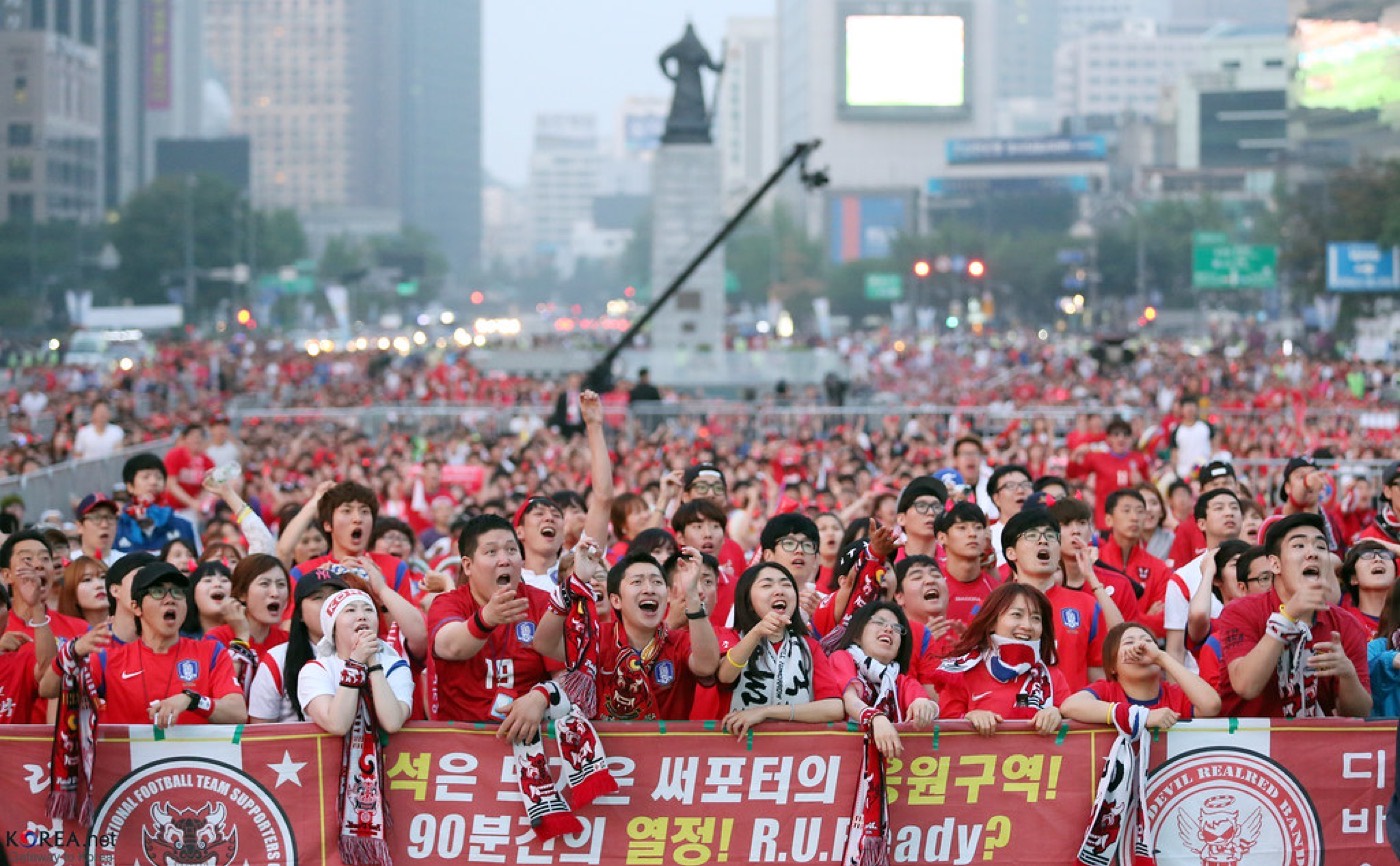
If you have a ticket, you are in for one of the World Cup's most spirited supporter experiences. South Korea's travelling fans — the Red Devils — are famous worldwide for turning stadiums into a wall of red, for their coordinated chanting and the rhythmic “Dae-han-min-guk” call that echoed around the world during the 2002 tournament. The atmosphere is loud, organised and relentlessly positive, and it travels well; wherever Korea play, a red-clad following tends to follow. In a stadium as intimate and steep as Estadio BBVA, a strong Korean turnout will make the June 24 night feel like a true World Cup occasion.
Whether South Korea leave Monterrey as group winners, runners-up or with their fate still in the balance depends on how Group A unfolds — but for one Wednesday night in June, the Taegeuk Warriors belong to the Steel Giant, and they arrive as a side led by one of the great players of his generation, intent on reaching the knockout rounds once again.
Watch their match at the Fan Festival
Every Monterrey game plays on the giant screens at Parque Fundidora — free general admission.
See the match schedule →